
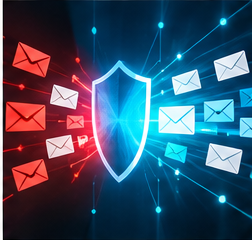
A spam filter is useful, but important business messages can be dangerous even when they pass through it. Email security needs layers of technical and procedural protection.
The inbox is a business workflow
Email carries contracts, invoices, customer data, password resets, and executive approvals. A simple spam filter can reduce nuisance messages, but modern threats also involve account impersonation, malicious links, compromised legitimate senders, and fraudulent payment instructions. Strong protection should consider what happens before delivery, during a user interaction, and after an account is compromised.
Authenticate your domain
SPF identifies permitted sending infrastructure, DKIM uses signatures to support message integrity, and DMARC helps domain owners define how receivers should treat messages that fail alignment checks. These controls can reduce some forms of domain spoofing and provide useful reporting. They need careful configuration, particularly when marketing, payroll, and third-party platforms send on behalf of the company.
Protect accounts and sensitive conversations
MFA, access monitoring, mailbox forwarding alerts, and sensible retention policies reduce exposure. Email data loss prevention tools can detect certain sensitive content leaving the organization, but policies should be calibrated to avoid interrupting legitimate work. Encryption or secure document-sharing methods may be appropriate when sending confidential customer or employee information.
Address payment and impersonation fraud
A legitimate supplier account can be compromised, so a familiar sender address does not guarantee a safe request. Establish a separate verification process for bank-account changes, unexpected wire instructions, and urgent purchasing exceptions. Finance and administrative staff should know whom to contact through an independently maintained directory. Procedural controls are a critical partner to technical filtering.
Plan for a compromised mailbox
Organizations should be ready to revoke sessions, reset credentials, examine forwarding rules, review recent sign-ins, and notify affected parties as needed. Routine user training should cover reporting without shame and recognizing unusual requests in otherwise normal conversations. Email security improves when prevention, detection, response, and business procedures work together.
Moving forward
Treat email as a critical business system. Technical filtering, identity controls, and verification practices reinforce one another.
If you are interested in learning more, schedule a call today.