
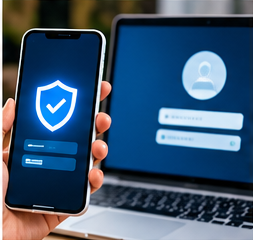
A single compromised password can open the door to email, financial records, and cloud applications. Multifactor authentication adds an important obstacle to that chain of events.
Passwords are a weak single point of failure
A password can be stolen through phishing, reused across services, or exposed in a breach. Multifactor authentication, or MFA, adds another verification step so that a stolen password is less likely to be enough. The operational value is especially significant for email, cloud administration, financial applications, and remote access—systems that can expose many other services if compromised.
Choose stronger methods where practical
Not every second factor provides equal resistance to attack. Passkeys and security keys based on phishing-resistant standards can offer better protection against fake login pages than one-time codes. Authenticator apps are often preferable to SMS when stronger methods are not available. Focus the highest-assurance options on administrators, executives, finance staff, and other accounts with sensitive access.
Plan the employee experience
Poorly implemented MFA can frustrate employees or create dangerous workarounds. Pilot enrollment, explain how to register a device, and provide a documented process for lost phones and replacement hardware. Avoid shared accounts whenever possible. A clear help desk recovery procedure reduces downtime and prevents attackers from exploiting an informal identity-verification process.
Close the gaps around MFA
Attackers may attempt repeated approval prompts, social engineering, session theft, or account recovery abuse. Number matching, suspicious-sign-in alerts, conditional access rules, and employee education can help address those risks. MFA should complement strong access policies and timely account removal; it is not a complete cybersecurity strategy by itself.
Measure adoption and exceptions
Track how many accounts are protected, where weaker methods remain, which privileged accounts are exempt, and how frequently risky sign-ins occur. Review exceptions with business owners rather than allowing permanent bypasses to accumulate. The business case rests on reducing the likelihood and impact of account compromise while preserving straightforward access for legitimate users.
Moving forward
MFA is most effective when deployed systematically and supported by usable recovery processes. Make coverage and exceptions visible to leadership.
If you are interested in learning more, schedule a call today.