
Every minute of system unavailability can translate into lost opportunities. Employees are unable to access critical tools, communication slows or stops entirely, and customer interactions are disrupted. In industries where responsiveness is essential, even a brief outage can result in missed deadlines, lost sales, and dissatisfied clients.
The financial implications of downtime are often underestimated. While some costs are obvious, such as lost transactions or halted operations, others are less visible but equally impactful. These include decreased employee efficiency, recovery expenses, and potential penalties for failing to meet service agreements. Over time, these hidden costs can accumulate and significantly affect a company’s bottom line.
Beyond financial losses, downtime also damages reputation. Customers expect reliability. When systems fail, it can create frustration and erode confidence in a business’s ability to deliver consistent service. In competitive markets, even a single negative experience can push customers toward alternative providers.
Cybersecurity incidents are another major contributor to downtime. Ransomware attacks, data breaches, and system compromises can bring operations to a halt. Recovering from these events is not only time-consuming but also costly, often requiring extensive remediation efforts and ongoing monitoring.
The growing complexity of IT environments has made downtime prevention more challenging. With businesses relying on cloud platforms, remote work systems, and interconnected applications, a single point of failure can have widespread consequences. Without proper monitoring and management, small issues can quickly escalate into major disruptions.
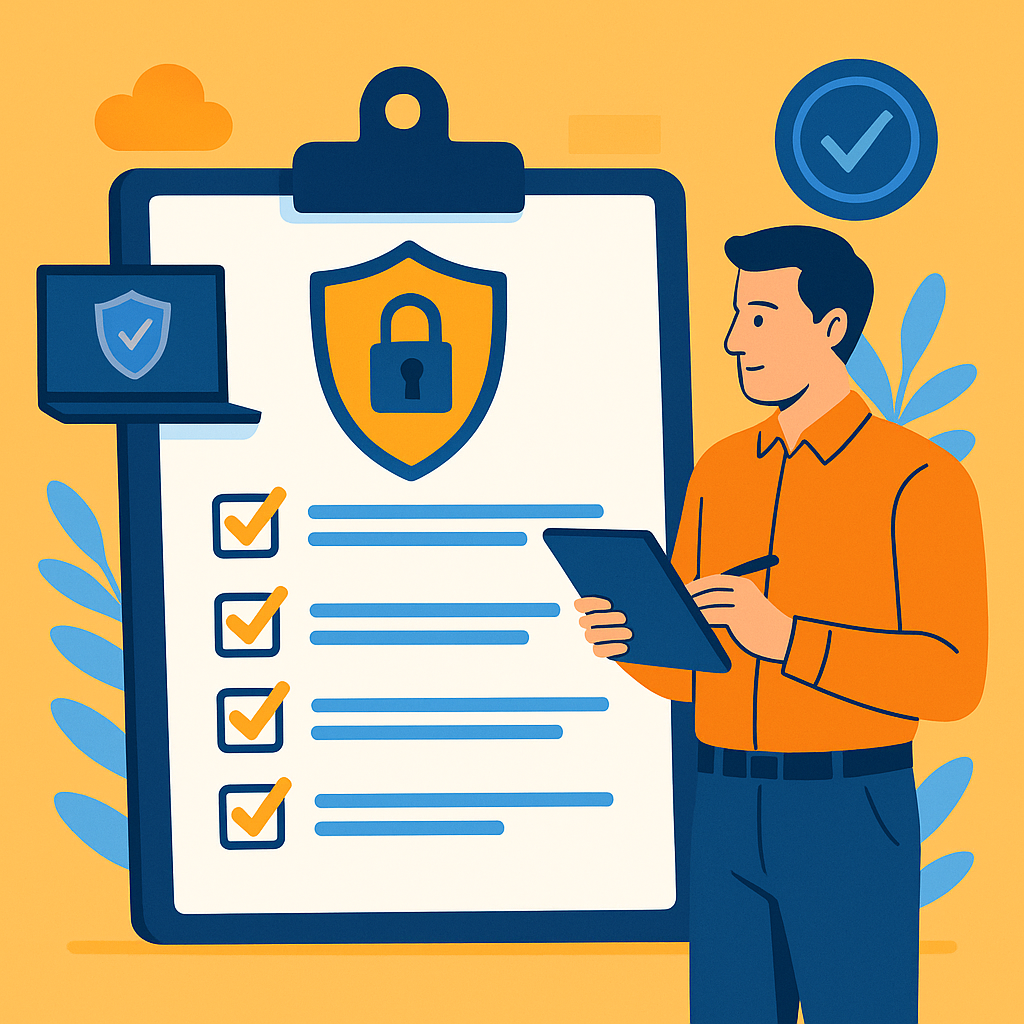
Proactive IT management plays a crucial role in minimizing downtime. Continuous monitoring allows potential issues to be identified and addressed before they impact operations. Regular maintenance, system updates, and performance optimization help ensure that technology remains reliable and efficient.
Backup and disaster recovery strategies are equally important. Having secure, up-to-date backups ensures that data can be restored quickly in the event of a failure. A well-designed recovery plan reduces downtime and enables businesses to resume operations with minimal disruption.
Another key factor is scalability. As businesses grow, their IT infrastructure must be able to handle increased demand. Systems that are not designed to scale can become overwhelmed, leading to performance issues and outages. Investing in scalable solutions helps prevent these challenges and supports long-term growth.
Employee training is often overlooked but essential in preventing downtime. Human error remains one of the leading causes of IT incidents. Providing staff with the knowledge and tools to use systems effectively can reduce the likelihood of mistakes that lead to disruptions.
Ultimately, downtime is not just a technical issue—it is a business issue. Organizations that prioritize reliability and invest in proactive IT strategies are better positioned to maintain continuity, protect their reputation, and achieve sustained success.
If you are interested in learning more, schedule a call today.