
Technology decisions made today have a lasting impact on how a business operates tomorrow. Without a clear strategy, IT investments can become reactive, fragmented, and misaligned with business goals. Strategic IT planning helps organizations move beyond short-term fixes and build a technology roadmap that supports sustainable growth, resilience, and competitive advantage.
Many businesses approach IT planning only when problems arise or budgets are due. This reactive mindset often leads to rushed decisions and missed opportunities. Strategic IT planning takes a proactive view, evaluating current systems, identifying gaps, and aligning technology initiatives with long-term objectives. This approach ensures that IT supports the broader mission rather than operating in isolation.
A well-defined IT strategy begins with understanding business goals. Growth plans, expansion into new markets, and changes in service delivery all influence technology needs. By aligning IT initiatives with these goals, organizations can prioritize investments that deliver the greatest value. This alignment helps avoid unnecessary spending on tools or systems that do not contribute to strategic outcomes.
Infrastructure planning plays a central role in long-term success. As businesses scale, technology must be able to handle increased demand without sacrificing performance or security. Strategic planning evaluates whether existing infrastructure can support future needs and identifies opportunities to modernize or optimize systems. This forward-looking approach reduces the risk of costly disruptions caused by outdated technology.
Security planning is another critical component of IT strategy. Cyber threats continue to evolve, and security measures must evolve with them. Strategic planning integrates security considerations into every aspect of technology decision-making rather than treating them as an afterthought. This helps ensure consistent protection across systems, users, and data.
Budgeting and forecasting benefit significantly from strategic IT planning. When technology initiatives are planned in advance, organizations can spread costs over time and avoid unexpected expenses. This predictability supports better financial management and allows leadership to make informed trade-offs. Strategic planning also helps justify investments by clearly linking them to business outcomes.
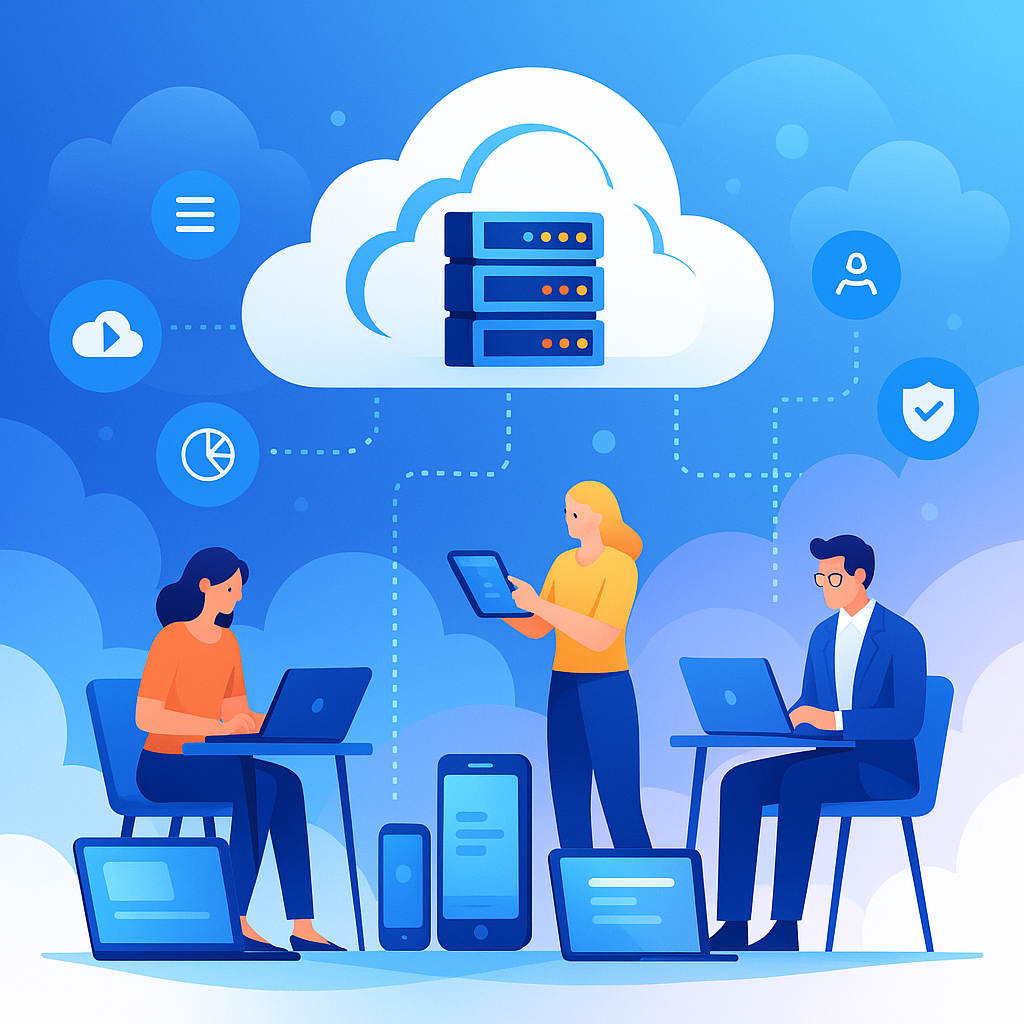
Cloud adoption and digital transformation initiatives often depend on strong planning. Moving systems to the cloud or adopting new platforms requires careful assessment of readiness, risks, and benefits. Strategic IT planning helps businesses determine the right pace and scope of change, reducing disruption while maximizing value.
Workforce considerations are also influenced by IT strategy. Technology choices affect how employees work, collaborate, and access information. Strategic planning ensures that tools support productivity and flexibility while remaining manageable and secure. This alignment contributes to a positive employee experience and improved performance.
Vendor relationships are another area where planning adds value. Without a strategy, organizations may accumulate overlapping tools or incompatible systems. Strategic planning helps rationalize vendor selections and negotiate more effectively. This leads to streamlined environments that are easier to manage and support.
Measurement and accountability are essential for maintaining an effective IT strategy. Clear metrics help track progress, evaluate performance, and adjust plans as needed. Strategic planning establishes benchmarks that allow organizations to assess whether technology investments are delivering expected results.
As business environments continue to change, IT strategies must remain flexible. Regular reviews ensure that plans stay aligned with evolving goals and emerging technologies. Strategic IT planning is not a one-time exercise but an ongoing process that supports adaptation and innovation.
Organizations that invest in strategic IT planning position themselves for long-term success. By aligning technology with business objectives, managing risk proactively, and planning for growth, they create a strong foundation for the future. Strategic planning transforms IT from a reactive cost center into a driver of value and opportunity.
If you are interested in learning more, schedule a call today.