
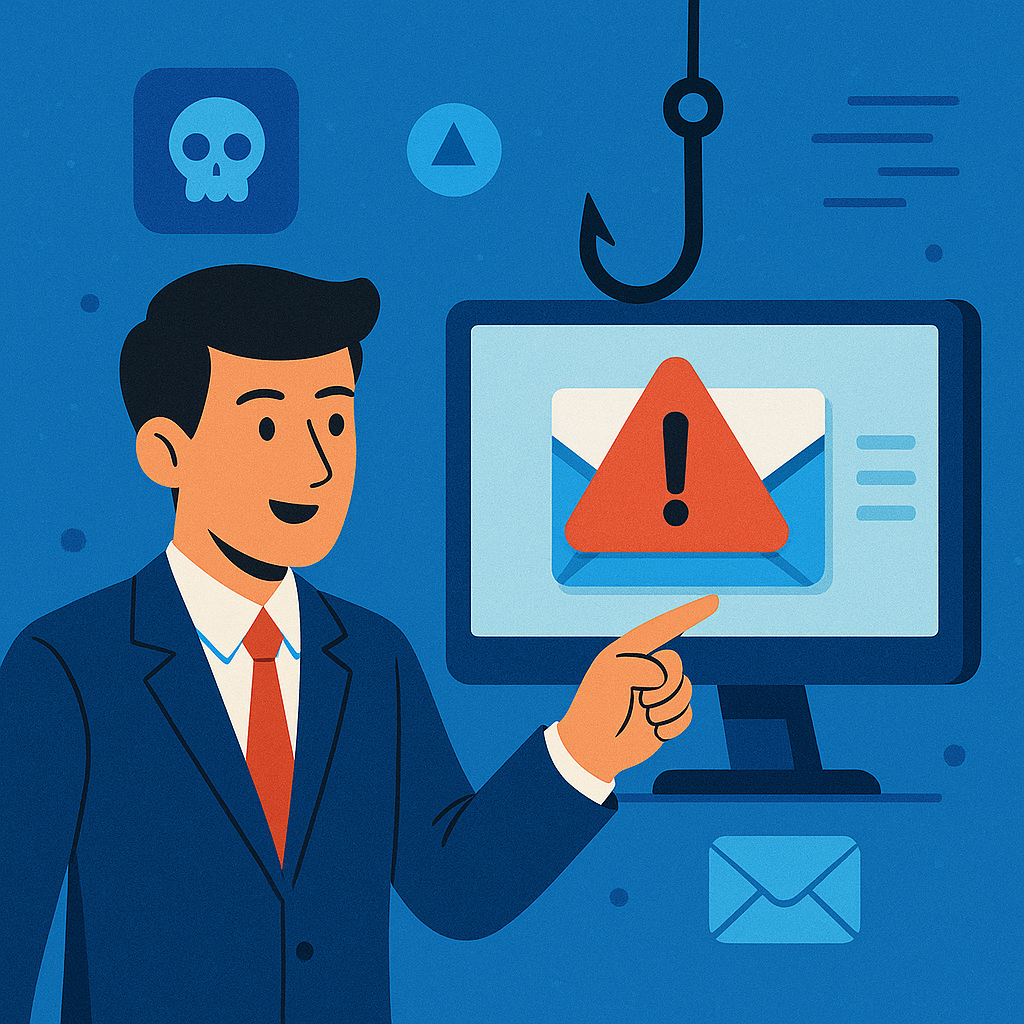
Phishing emails work because they look normal. Attackers mimic internal messages, trusted brands, and common workflows. Your employees are the first line of defense, and training them to recognize problems can prevent expensive incidents.
Start by teaching them to slow down. Most phishing succeeds when someone acts fast without reviewing details. Encourage employees to look for mismatched sender addresses, unexpected attachments, and vague instructions that create false urgency.
Show real examples. People learn better from what they have seen. Demonstrate how fake Microsoft alerts, DocuSign requests, and HR notifications try to trick them. Explain why these designs are convincing and how attackers use them.
Create a simple process for reporting suspicious messages. A one click report button increases participation and gives your IT team insight into attack patterns. Make the reporting process feel safe. Employees should not fear punishment for asking questions.
Run regular phishing tests. These simulations help identify who needs more training and which attack styles your team struggles with most. Keep the lessons short and practical.
When employees know what to look for, they become a shield instead of a vulnerability. Strong technical controls help, but informed people close the gaps that tools miss.
If you are interested in learning more, Schedule a call today.