
Managing IT costs is a constant challenge for businesses, especially as technology becomes more integral to operations. While investing in technology is necessary, overspending or misallocating resources can impact profitability. IT cost optimization focuses on maximizing value while minimizing unnecessary expenses.
One of the first steps in cost optimization is assessing current infrastructure. Many businesses continue to pay for outdated systems or unused services. Conducting a thorough evaluation helps identify areas where costs can be reduced without affecting performance.
Cloud solutions play a significant role in cost optimization. By moving to the cloud, businesses can eliminate the need for expensive hardware and maintenance. The pay-as-you-go model allows organizations to scale resources based on demand, reducing waste.
Automation is another effective strategy. Automating routine tasks reduces the need for manual labor and increases efficiency. This not only lowers costs but also improves accuracy and consistency.
Vendor management is also important. Businesses often work with multiple vendors, which can lead to overlapping services and unnecessary expenses. Consolidating vendors and negotiating contracts can result in significant savings.
Energy efficiency is an often-overlooked factor. Data centers and IT equipment consume a large amount of energy. Implementing energy-efficient solutions can reduce operational costs and support sustainability efforts.
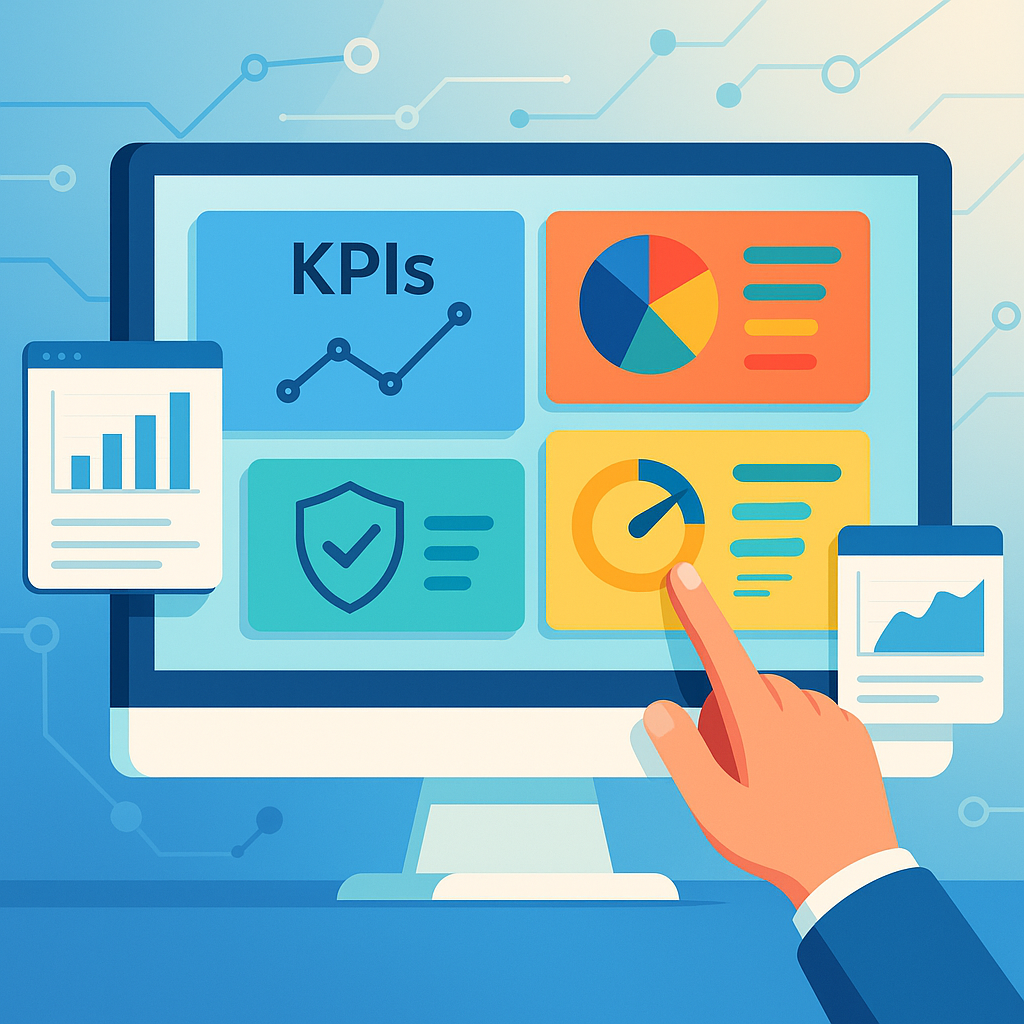
Regular monitoring and analysis help maintain cost efficiency. Tracking usage and performance ensures that resources are used effectively and adjustments can be made as needed.
IT cost optimization is not about cutting corners—it is about making smarter decisions. Businesses that focus on efficiency can allocate resources more effectively and support long-term growth.
If you are interested in learning more, schedule a call today.